Home » Holistic Therapies
Holistic Therapies
Our range of other therapies can help to support your general health, wellbeing and happiness and assist you in achieving your personal and professional goals.
Reflexology
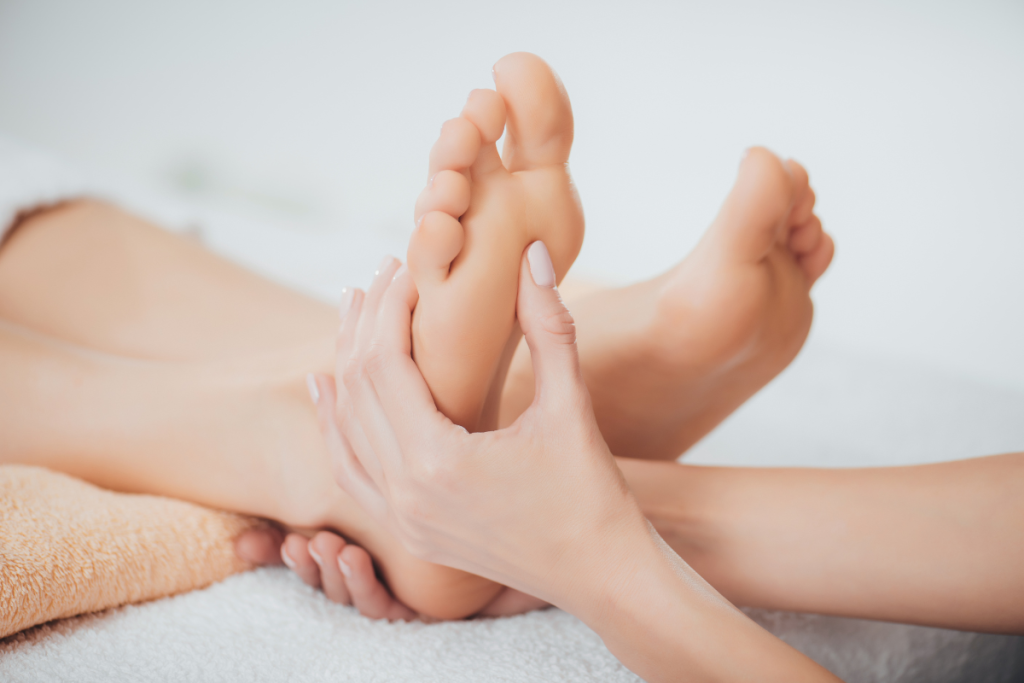
Reflexology is a complementary therapy based on the belief that specific areas on the feet, hands, and ears correspond to different organs and systems in the body. Practitioners of reflexology apply pressure to these specific points using their hands, thumbs, or specialised tools.
The underlying principle is that stimulating these reflex points can promote relaxation, improve circulation, and encourage the body’s natural healing processes. It’s thought to help restore balance and harmony within the body, potentially alleviating various health issues and reducing stress.
Reflexology sessions typically involve the application of pressure to these reflex points, sometimes combined with massage or other relaxation techniques. While it’s often used for relaxation and stress relief, proponents suggest that it may also aid in managing certain health conditions.
Reiki
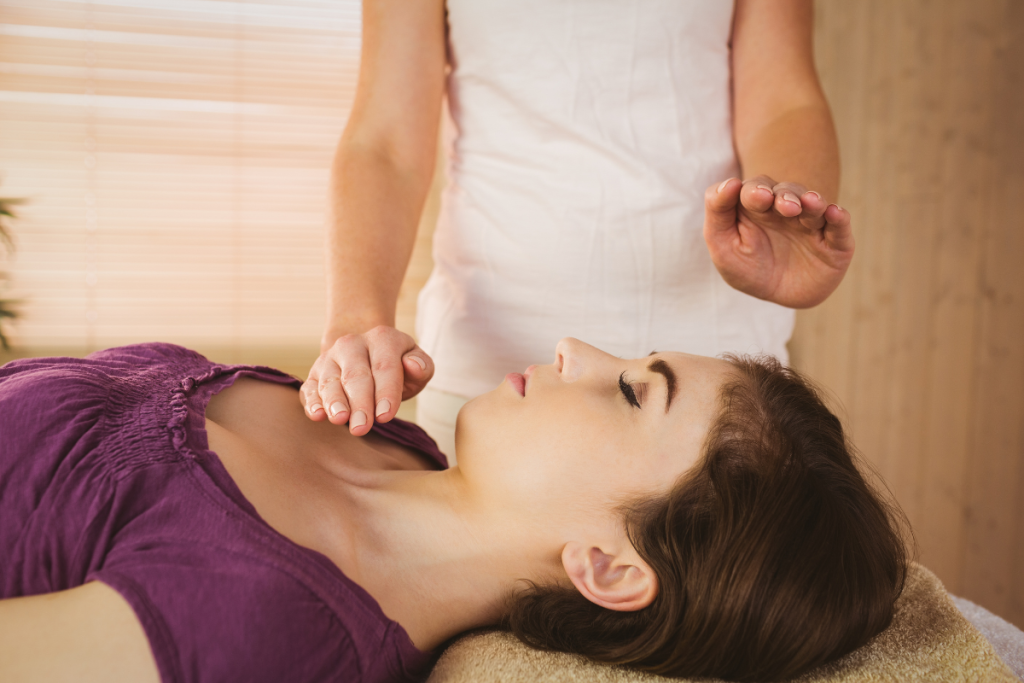
Reiki is a form of alternative therapy that involves a practitioner using their hands to transfer “universal energy” to promote healing and balance in the recipient’s body, mind, and spirit. The word “Reiki” combines two Japanese words: “rei,” meaning universal, and “ki,” which refers to life energy or vital force.
During a Reiki session, the practitioner places their hands lightly on or just above specific areas of the recipient’s body, focusing on energy centers or chakras. They aim to facilitate the flow of energy to areas that might be blocked or imbalanced, purportedly promoting relaxation, stress reduction, and the body’s natural healing processes.
The practice is non-invasive, and recipients usually remain fully clothed during the session. Reiki is often used as a complementary therapy to traditional medicine to promote relaxation and well-being
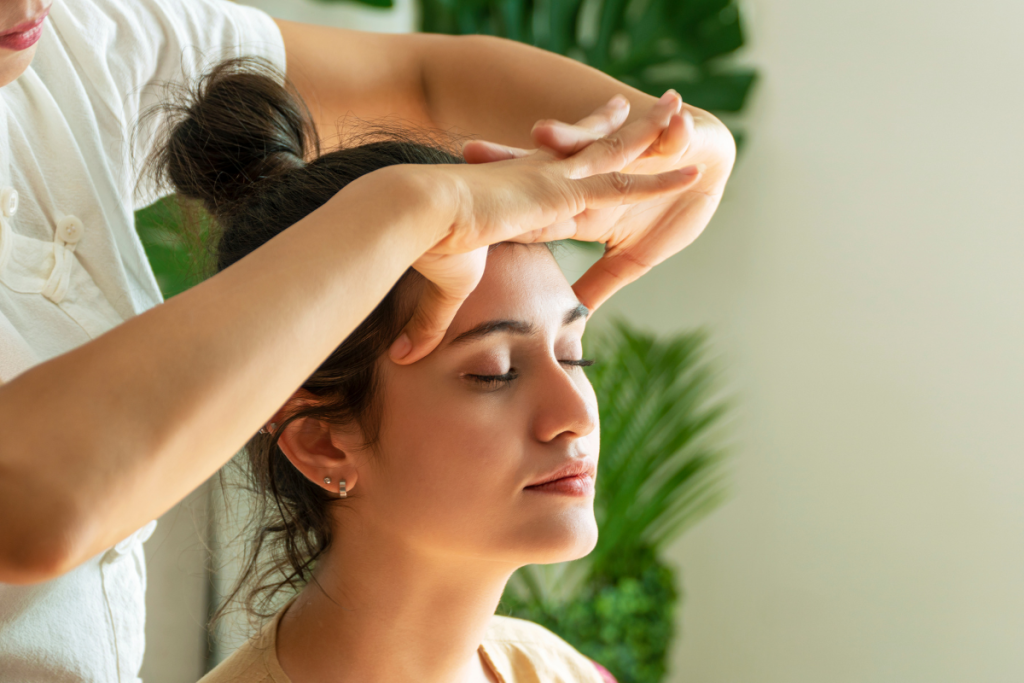
Thai Head Massage
A Thai head massage, often referred to as an Indian head massage or Champissage, is a traditional massage technique that focuses primarily on the head, neck, shoulders, and upper back. It’s a form of relaxation and therapeutic massage originating from Indian Ayurvedic healing practices.
During a Thai head massage, the recipient typically sits in a comfortable chair or remains seated. The practitioner uses a combination of gentle to firm rhythmic movements, including circular motions, kneading, and acupressure techniques, applied to the scalp, neck, shoulders, and sometimes the face.
The massage aims to release tension, promote relaxation, and stimulate circulation in the targeted areas. It can help alleviate stress, reduce headaches, improve blood flow, and enhance overall well-being. Some variations of this massage may include the use of oils or aromatherapy to enhance the experience.
Swedish Massage
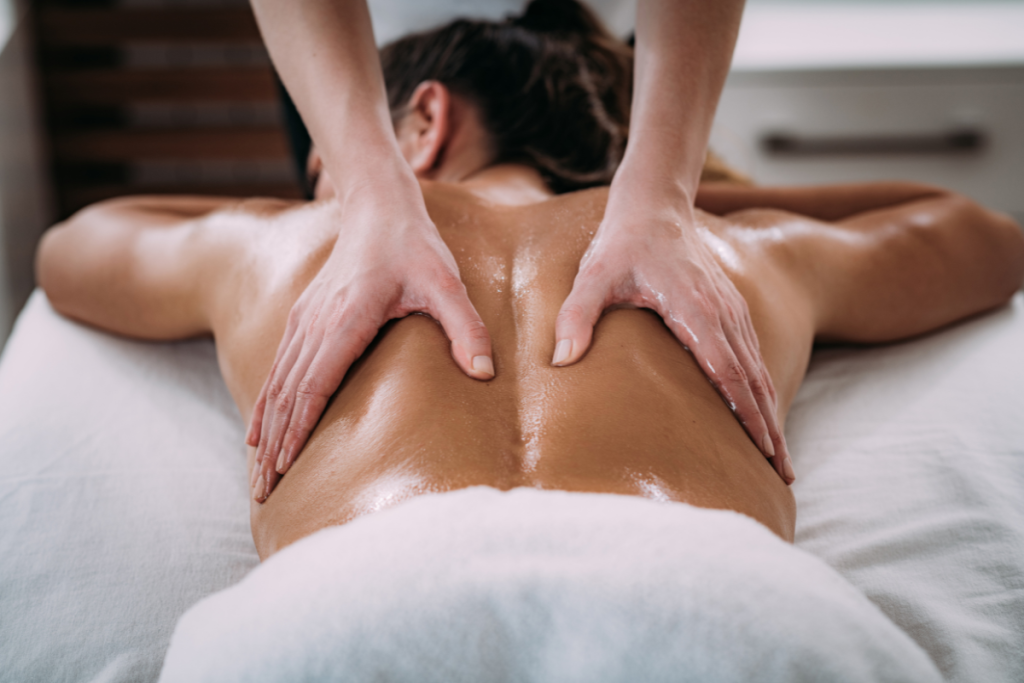
Swedish massage is one of the most commonly practiced and well-known massage techniques. It involves a variety of techniques such as long, gliding strokes (effleurage), kneading, circular pressure (petrissage), tapping or rhythmic tapping (tapotement), and passive joint movement.
During a Swedish massage session, the recipient usually lies on a massage table and is typically unclothed under a towel or sheet, though modesty is always respected. The massage therapist applies massage oil or lotion to facilitate smooth movements and begins with lighter pressure to warm up the muscles before gradually applying deeper pressure as needed. The goal is to relax muscles, improve circulation, reduce tension, and promote overall relaxation.
Swedish massage is known for its ability to decrease muscle toxins, increase oxygen levels in the blood, and improve flexibility while easing tension. It’s often recommended for individuals who want to experience relaxation and relief from everyday muscle tension or stress. Sessions can be tailored to focus on specific areas of the body or provide a full-body massage, based on the recipient’s preferences and needs.